

Orthotics Doreen & Balwyn North
Orthotics
When your feet need a little more support
Your feet play an important role in how you stand, walk, run and move through everyday life.
Changes in foot function may sometimes be associated with discomfort or concerns affecting the feet and lower limbs.
At reHealth, our practitioners take the time to understand your symptoms, movement, footwear, activity levels and individual needs before discussing whether orthotic support may be appropriate.
Whether you’re experiencing ongoing foot concerns, returning to activity or spending long periods on your feet, we’ll provide clear information to help you understand your options and make informed decisions about your care.
Orthotics
How we approach orthotics
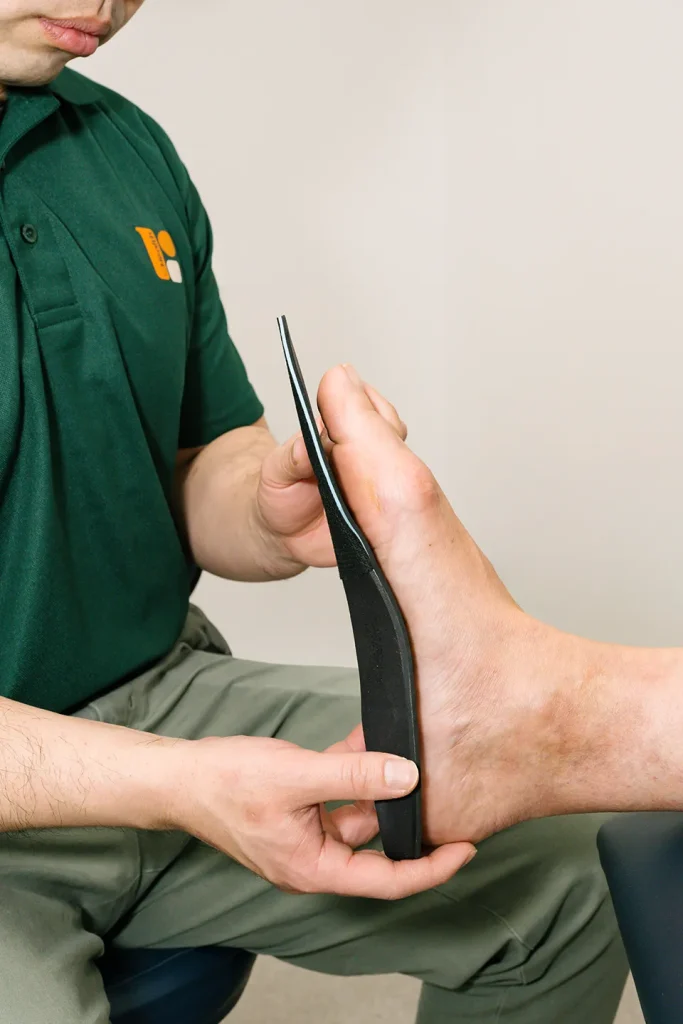
Orthotics are devices worn inside footwear to provide support and influence how forces are distributed through the feet during standing and movement.
- Foot and lower-limb assessment
- Biomechanical assessment
- Walking or running assessment, where appropriate
- Foot function and movement assessment
- Footwear assessment and advice
- Discussion of your symptoms, activities and goals
- Orthotic prescription where appropriate
- Orthotic fitting and adjustment

Orthotics
Foot & lower-limb concerns
Orthotics may be considered as part of the management of a range of foot and lower-limb concerns. Your practitioner will assess your individual presentation and discuss whether orthotic support is appropriate.
Foot and heel concerns
- Foot discomfort
- Heel pain
- Arch-related concerns
- Forefoot discomfort
- Foot fatigue
- Concerns associated with prolonged standing or walking
Lower-limb concerns
- Ankle and lower-leg concerns
- Knee symptoms where foot and lower-limb factors may be relevant
- Lower-limb loading concerns
- Recurring activity-related symptoms
- Foot and lower-limb stability concerns
Sport and activity
- Running-related foot concerns
- Exercise-related symptoms
- Changes in training load
- Returning to activity following injury
- Walking and running assessment
- Footwear considerations for sport and exercise
Children and growing feet
- Developmental foot concerns
- Changes in walking patterns
- Gait concerns
- Foot and lower-limb discomfort
- Foot concerns during periods of growth
Orthotics
When might orthotics be worth considering?
Orthotics aren't necessarily the answer to every foot or lower-limb concern.
However, they may be worth considering when your symptoms, movement patterns or individual circumstances suggest that additional support could be appropriate.
An orthotic assessment may be worth considering if you:
- Have ongoing or recurring foot pain
- Have recently increased your exercise or training
- Are returning to sport following an injury
- Spend long periods standing or walking
- Experience symptoms that repeatedly return with activity
- Have particular foot or lower-limb biomechanical factors
- Have experienced changes in activity levels or body weight that may be relevant to your foot or lower-limb concerns
- Have concerns about the way you walk or move
- Are looking for additional support as part of a broader rehabilitation plan
Wondering whether orthotics may be suitable for you?
Let's take a closer look at your feet, movement and individual needs.
From assessment to orthotic support
Assess
We discuss your symptoms, health history, activity levels, footwear and goals. Your practitioner will complete a biomechanical assessment, looking at your feet, lower-limb movement and factors relevant to your individual needs.
Understand
Support
Orthotics that fit into everyday life
Our orthotics practitioners consider your symptoms, movement, footwear, lifestyle and individual needs when assessing whether orthotic support may be appropriate, and provide guidance based on your circumstances.
Meet our team below and learn more about the practitioners who provide orthotics at reHealth.


Frequently Asked Questions
What are orthotics?
Do I need custom orthotics?
What happens during an orthotics assessment?
Your practitioner will discuss your symptoms, activities, footwear and health history before completing a biomechanical assessment of your feet, lower limb function and movement. They’ll then explain their findings and discuss whether orthotics or other treatment options may be relevant to you.
Can I use orthotics in my existing shoes?
How long does it take to get used to orthotics?
How often will my orthotics need to be reviewed?
This depends on your individual circumstances, the type of orthotic and how you use it. An initial review is usually completed around 4 weeks after fitting to assess comfort, fit and function, with a follow-up review recommended within 6–12 months to check for progress and any changes that may affect your orthotics.
Should I bring my shoes to my appointment?
Do I need a referral for orthotics?
Can a podiatrist prescribe medication or administer cortisone injections?
Yes. We have an endorsed podiatrist, Amanda Zanatta, who is qualified to prescribe certain medications for lower limb conditions and administer cortisone injections when clinically indicated. Treatment options will be discussed with you to determine the most appropriate approach for your condition.
Support for every step you take
Your feet are part of how you move through work, exercise and everyday life.
If you’re experiencing foot or lower-limb concerns, returning to activity or simply want to understand whether orthotics may be appropriate for you, our team can assess your individual needs and talk you through your options.
We’ll take the time to listen, explain our findings clearly and provide recommendations based on your circumstances.